Choosing a vegetarian lifestyle can feel overwhelming at first. Whether your motivation is better health, environmental concerns, or ethical values, this guide is designed to simplify vegetarian meal planning. It covers breakfast, lunch, dinner, and snack ideas, along with plant-based recipes that support a balanced and healthy way of eating.
Common Questions for Beginners
If you’re new to vegetarian eating, you might be wondering:
- What foods are included in a vegetarian diet?
- Can a vegetarian diet provide all necessary nutrients?
- Are there different types of vegetarian diets?
- How do you build a balanced vegetarian meal plan?
Let’s go through these one by one.
What Is Included in a Vegetarian Diet?
A vegetarian diet focuses on plant-based foods and excludes meat, poultry, and seafood. Many vegetarians also avoid ingredients derived from animal processing, such as gelatin and rennet.
Is a Vegetarian Diet Nutritionally Complete?
Yes, it can be. A well-planned vegetarian diet provides essential nutrients and is typically rich in fiber, vitamins, and minerals while being lower in saturated fat and cholesterol. The key is to eat a wide variety of foods to ensure proper nutrition.
Types of Vegetarian Diets
There are several variations depending on which animal products are included:
- Lacto-vegetarian: Includes dairy but excludes meat, fish, poultry, and eggs
- Ovo-vegetarian: Includes eggs but excludes meat, fish, poultry, and dairy
- Lacto-ovo vegetarian: Includes both eggs and dairy but avoids meat, fish, and poultry
- Vegan: Eliminates all animal products, including honey
How to Build a Balanced Vegetarian Meal Plan
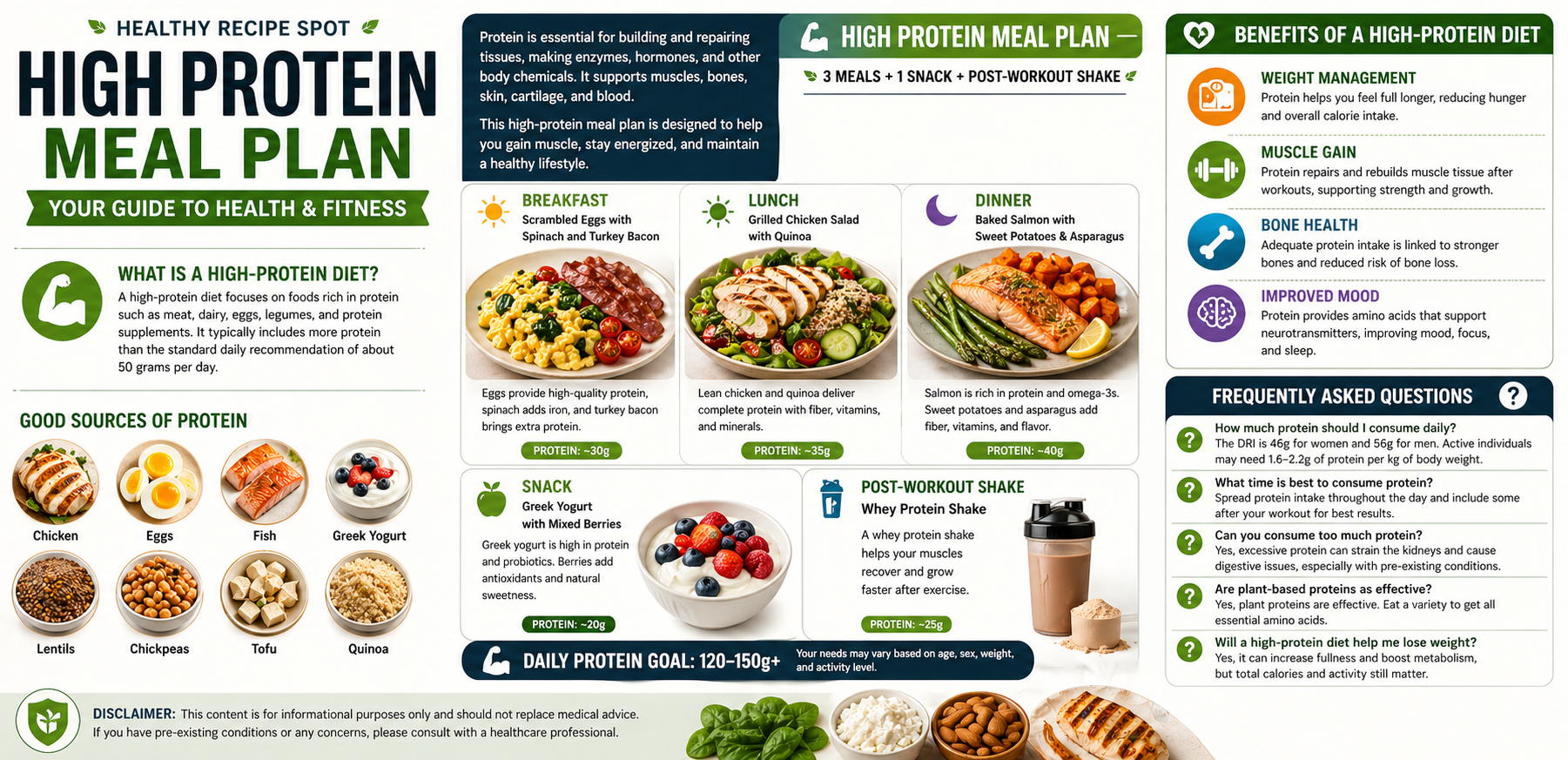
Variety is essential. A healthy vegetarian meal plan should include fruits, vegetables, whole grains, plant-based proteins (like beans, lentils, and soy), and healthy fats to meet your body’s needs.
Vegetarian Meal Ideas
Adopting a plant-based diet doesn’t mean sacrificing taste. Here are some nutritious and flavorful ideas:
Breakfast
- Vegetarian breakfast burritos with black beans, avocado, and salsa
- Chickpea flour pancakes topped with avocado and a bit of feta cheese
Lunch
- Quinoa bowls with sweet potatoes and black beans for a fiber-rich meal
- Tempeh Reuben sandwiches as a satisfying, protein-packed option
Dinner
- Chickpea coconut curry for a warm and filling meal
- Grilled portobello mushrooms as a hearty, meat-free alternative
Snacks
- Roasted chickpeas for a crunchy, protein-rich bite
- Edamame for a quick and nutritious snack
Final Thoughts
A vegetarian diet can be both nourishing and enjoyable when planned thoughtfully. Since nutritional needs differ from person to person, it’s wise to consult a dietitian to ensure you’re meeting your requirements. Use this guide as inspiration and feel free to adjust recipes to match your preferences and dietary needs.